
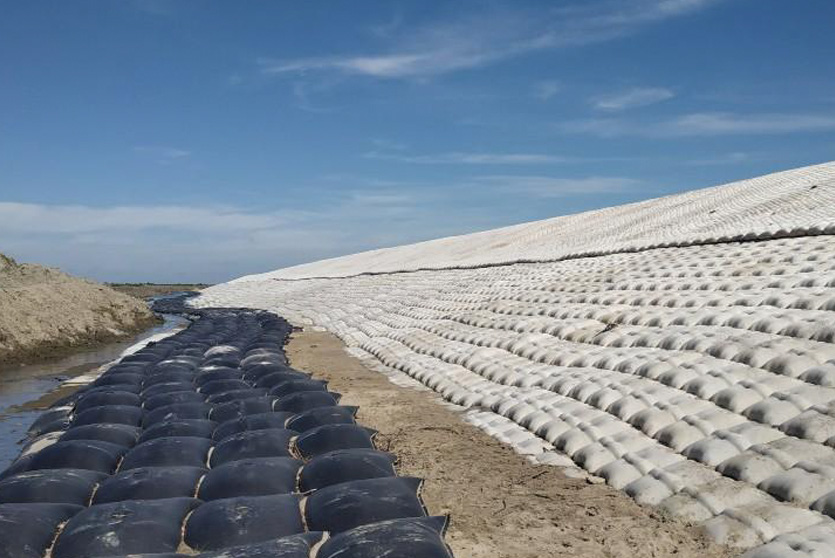
We begin with a thorough review of existing geotechnical data and targeted field investigation to precisely characterize the problematic soil layers — identifying the specific weaknesses, depths, and extents that the improvement program needs to address.
Based on soil conditions, structural loads, site constraints, and project budget, we select the most appropriate ground improvement approach — whether geotextile reinforcement, sand compaction piles, preloading, or a combination of techniques tailored to the site.
Our geotechnical engineers develop a fully detailed ground improvement design — covering geotextile layout and specification, pile spacing and depth, material quantities, installation sequences, and performance targets that the improved ground must achieve before construction proceeds.
Our specialist field team mobilizes to site with the required equipment and materials — executing the ground improvement works methodically according to the approved design, maintaining strict quality control over every installation activity from start to finish.
Throughout and after the improvement program, we conduct field tests and settlement monitoring to track ground performance against design predictions — making adjustments where necessary and building a complete record of improvement progress and results.
Once improvement targets are confirmed through field testing, we issue a formal verification report — documenting all works completed, test results achieved, and engineering confirmation that the ground is ready to safely support the planned construction loads. Want me to continue with the next service?